• Home
Botnybike
Log in
  • Home
  • E-Bike Maintenance for Longer Life, Safer Rides, and Lower Repair Costs

    Nov 18, 2026 Botnybike

  • Bonty S51 Review: Street Test & Night Ride

    Nov 5, 2026 Botnybike

  • Can You Ride the Cruiser Bike Off-Road?

    Oct 13, 2026 Botnybike

    A cruiser bike, sometimes called a beach cruiser, is built for easy, comfortable riding. It usually has an upright riding position, wide handlebars, a relaxed frame shape, a soft saddle, and wider balloon-style tires. That is why cruiser bikes feel so natural on beach paths, boardwalks, paved roads, and casual neighborhood rides.

  • E-Bike Specs Explained

    Oct 13, 2026 Botnybike

    An e-bike spec sheet can look precise while still leaving the most important question unanswered: how will the bike actually fit your ride? A higher number is not automatically a better bike. Motor power, torque, battery capacity, controller tuning, gearing, tire size, weight, brakes, and frame design work as a system.

  • Electric Dirt Bike Maintenance Schedule at a Glance

    Oct 3, 2026 Botnybike

    Electric dirt bike maintenance starts with a simple routine: inspect the bike before every ride, clean it correctly afterward, and address small changes before they become expensive problems. The most important checks are tire condition, brake response, loose hardware, chain condition, battery security, controls, and visible damage around the frame and suspension.

E-Bike Guide Specs Explained

E-Bike Specs Explained: What Watts, Speed, Battery and Suspension Actually Mean

October 2026 by Botny Team
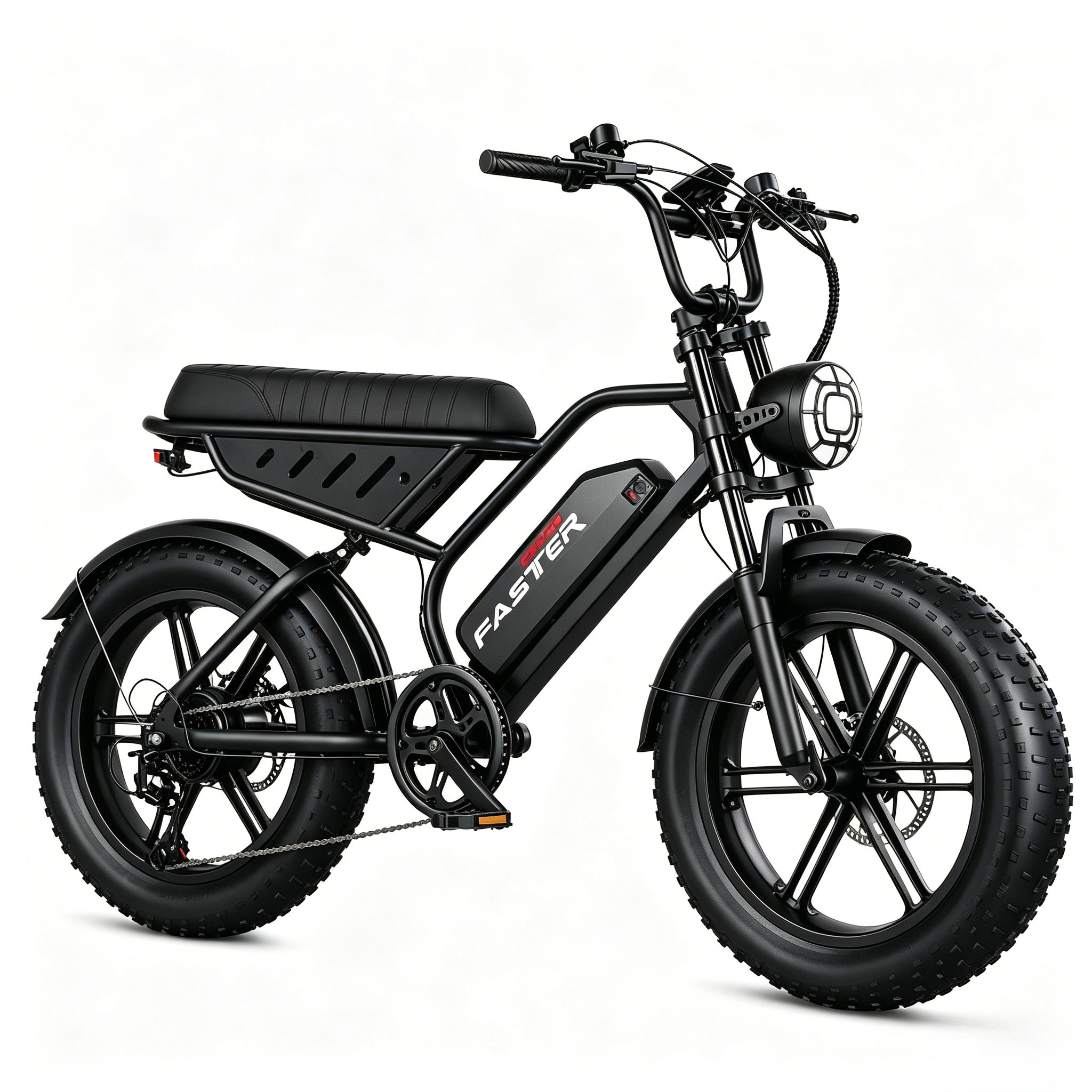
Botny S51 moped-style electric bike specs explained
Contents
1. Why Specs Matter 2. Motor Power: Rated vs Peak Watts 3. Top Speed: MPH and Legal Classes 4. Battery: Watt-Hours and Real Range 5. Tire Size and Tire Type 6. Suspension: Hardtail vs Full 7. Brakes 8. Bike Type and Riding Style 9. The Botny S51 Spec Sheet 10. FAQ

Electric bike listings are full of numbers: 1500W, 28 MPH, 20-inch fat tires, full suspension. On a spec sheet those figures look straightforward, but in real riding they only mean something once you understand what each one controls, how manufacturers test it, and how the numbers work together.

This guide breaks down the e-bike specs that actually affect your ride, and uses the Botny S51 moped-style electric bike as a real-world example of how a well-rounded spec sheet translates into a better daily commute.

Quick take: Motor watts tell you about hill-climbing power, top speed tells you how fast the bike is designed to go, battery watt-hours estimate range, and tire plus suspension decide how comfortable and controlled the ride feels. The best value comes from a balanced spec sheet, not one headline number taken out of context.

1. Why E-Bike Specs Matter

A spec sheet is a promise about how a bike will behave. A 1500W motor changes how the bike handles hills and stops after traffic; a 28 MPH top speed changes how quickly you cover distance; wide, cushioned tires and full suspension change how every pothole feels on the way to work.

The mistake most new riders make is shopping by a single number. A high wattage motor on a weak frame, or a fast top speed on a bike with basic brakes, leaves you with a bike that looks impressive on paper but feels unpredictable on the road. The goal is to compare the whole package.

2. Motor Power: Rated Watts vs Peak Watts

Motor power is usually listed in watts (W). You will see two different numbers on many listings: a rated (continuous) wattage and a peak (maximum) wattage. The rated figure describes what the motor can sustain without overheating; the peak figure describes the short burst of power available for acceleration and steep hills.

A 1500W peak motor, like the one on the Botny S51, is aimed at riders who want brisk acceleration, confident hill starts, and enough torque to carry a rider and gear without bogging down. It is not the same as racing power, but it is noticeably stronger than a basic 250W city ebike.

When comparing motors, also note whether it is hub-drive or mid-drive. Hub motors are simpler, lower maintenance, and common on comfortable moped-style and city ebikes like the S51. Mid-drive motors feel more like a traditional bicycle and are popular on off-road and performance models.

3. Top Speed: MPH and Legal E-Bike Classes

Top speed is listed in miles per hour (MPH). In the U.S., Class 1 and Class 2 e-bikes are limited to 20 MPH with pedal assist or throttle, while Class 3 e-bikes can reach 28 MPH. Many ebikes sold for adult riders are governed to these legal limits even if the motor could physically go faster.

A 28 MPH top speed is a practical ceiling for street riding: it keeps pace with slower traffic, shortens commute times, and still leaves the bike manageable in city conditions. Faster off-road electric bikes exist, but they are built for private trails, not public roads, and come with different legal and safety expectations.

The Botny S51 reaches up to 28 MPH, which is why it works as a genuine car replacement for short urban trips rather than just a leisure ride.

4. Battery: Watt-Hours and Real-World Range

Batteries are measured in watt-hours (Wh), and sometimes in volts and amp-hours. The simple rule is that more watt-hours usually means more range, but real range depends on rider weight, hills, wind, tire pressure, assist level, temperature, and how often you use the throttle.

Manufacturers often publish a maximum range under ideal test conditions. Treat that number as a best case, not a daily guarantee. For planning, estimate roughly 70–80% of the published range in normal city riding, and keep a reserve for detours and cold mornings.

A few practical battery rules matter more than the headline number: use the charger supplied with the bike, avoid leaving the battery fully depleted for long periods, and store it partly charged in a dry, temperate place during winter. Botny e-bikes follow UL-aligned battery safety standards for added peace of mind.

5. Tire Size and Tire Type

Tire size is written as a diameter times a width, for example 20×4.0. The diameter affects rolling feel and availability of wheels; the width affects comfort, grip, and stability. Wide 20-inch tires, like those on the S51, soften bumps without the tall sidewall of a 26-inch wheel, which suits a compact moped-style frame.

Fat tires roll comfortably over cracks, gravel paths, and wet surfaces, and they are more forgiving at lower pressures. Narrow tires are more efficient on smooth pavement but transmit more vibration. Choose tire type based on where you actually ride most days.

6. Suspension: Hardtail vs Full Suspension

A hardtail bike has suspension only at the front. A full-suspension bike has both front suspension (fork) and rear suspension (shock), which absorbs bumps at both wheels. Full suspension noticeably improves comfort on rough roads, potholes, and uneven bike paths, and it helps keep the rear wheel planted.

The trade-off is a little more complexity and slightly more weight. For a commuter that handles mixed surfaces, full suspension is usually the upgrade that riders notice most after the first week. The Botny S51 includes full suspension specifically for year-round urban comfort.

7. Brakes

Faster, heavier e-bikes need brakes that match their power. Rim brakes are light but less consistent in wet weather; hydraulic disc brakes offer strong, predictable stopping in all conditions and are the expected choice on any performance ebike. Check the brake type on the spec sheet — it is just as important as the motor.

8. Bike Type and Riding Style

Ebikes are usually built around a riding style: city commuter, cruiser, folding, cargo, fat-tire, or moped-style. The moped-style category uses a step-through or upright frame, wide tires, full suspension, and a comfortable riding position — designed for daily errands and short commutes rather than sport cycling.

Pick the category that matches how you will actually use the bike, then compare specs inside that category. A moped-style ebike will not win a mountain climb, but it will out-commute a narrow racer in city traffic.

9. The Botny S51 Spec Sheet

The Botny S51 is a moped-style electric bike built around a balanced, year-round commuter spec sheet rather than a single headline number:

Motor1500W peak rear-hub motor
Top SpeedUp to 28 MPH
Tires20-inch fat tires
SuspensionFull suspension (front fork + rear shock)
StyleMoped-style step-through, upright riding position
BrakesHydraulic disc brakes
Best ForUrban commuting, errands, all-season riding

Together, these specs make the S51 a practical car alternative for city riding: enough power to merge with traffic, enough comfort for rough streets, and a relaxed position that makes cold-weather commuting feel less like a chore.

Botny S51 moped-style electric bike
Featured

Botny S51 Moped-Style Electric Bike

1500W motor, up to 28 MPH, 20-inch fat tires and full suspension. Built for comfortable year-round commuting. See the full spec sheet and current pricing.

Shop the S51

10. Frequently Asked Questions

Does a higher wattage motor mean a better ebike?

Not by itself. Motor wattage only matters when it is paired with suitable brakes, tires, frame stiffness, and battery capacity. A balanced mid-power bike with good brakes and suspension often rides better than a very high-wattage bike on a basic chassis.

Is 28 MPH a legal speed on an ebike?

28 MPH is the top assisted speed for a Class 3 e-bike in the U.S. Rules vary by state and city, including age and helmet requirements, so check local regulations. Class 1 and Class 2 bikes are limited to 20 MPH.

How much range should I expect in real life?

Expect roughly 70–80% of the manufacturer's published range under normal conditions, less if you ride uphill, use throttle constantly, carry heavy loads, or ride in cold weather. Keep a 20% reserve for unexpected detours.

Do I really need full suspension?

If you ride smooth bike paths, a good front suspension may be enough. If your commute includes potholes, patched roads, or gravel, full suspension noticeably improves comfort and control and is worth choosing for daily riding.

What kind of ebike is best for city commuting?

A comfortable, moped-style or cruiser ebike with 20–28 MPH capability, reliable brakes, and reasonable tire width is usually the best daily commuter. The Botny S51 is built exactly around that use case.

Share:
← More E-Bike Guides Shop the Botny S51 →

Exclusive Deals, New Announcements, Early Access

Don't miss out, sign up now!

Product

  • Ebikes
  • Electric Dirt Bike

Customer Service

  • FAQ
  • Contact Us
  • Setup & Support
  • Affiliate Program

Company Information

  • Shipping Policy
  • Return & Refund
  • Warranty Policy
  • Privacy Policy
  • Terms Of Service
  • Safety Disclaimer
  • Do Not Sell My Personal Information
  • Intellectual Property Rights

Contact Us

  • Email:support@botnybike.com
  • Phone:+1 917-764-5691
  • Info:info@botnybike.com
  • Affiliate:affiliate@botnybike.com
  • Partner:partner@botnybike.com
  • Hours:Mon–Fri, 9:00–18:00 ET

© 2026, Botny. All Rights Reserved.

Botny is a brand of SmartRide Tech LLC|1312 17th St, Unit 2955, Denver, CO 80202, United States

+1 917-764-5691|support@botnybike.com|Manufactured by JUNSUNG TECHNOLOGY (HK) LIMITED, Hong Kong

Visa, Mastercard, Discover, American Express, JCB
Ownership Guide Maintenance

E-Bike Maintenance for Longer Life, Safer Rides, and Lower Repair Costs

November 2026 by Botny Team
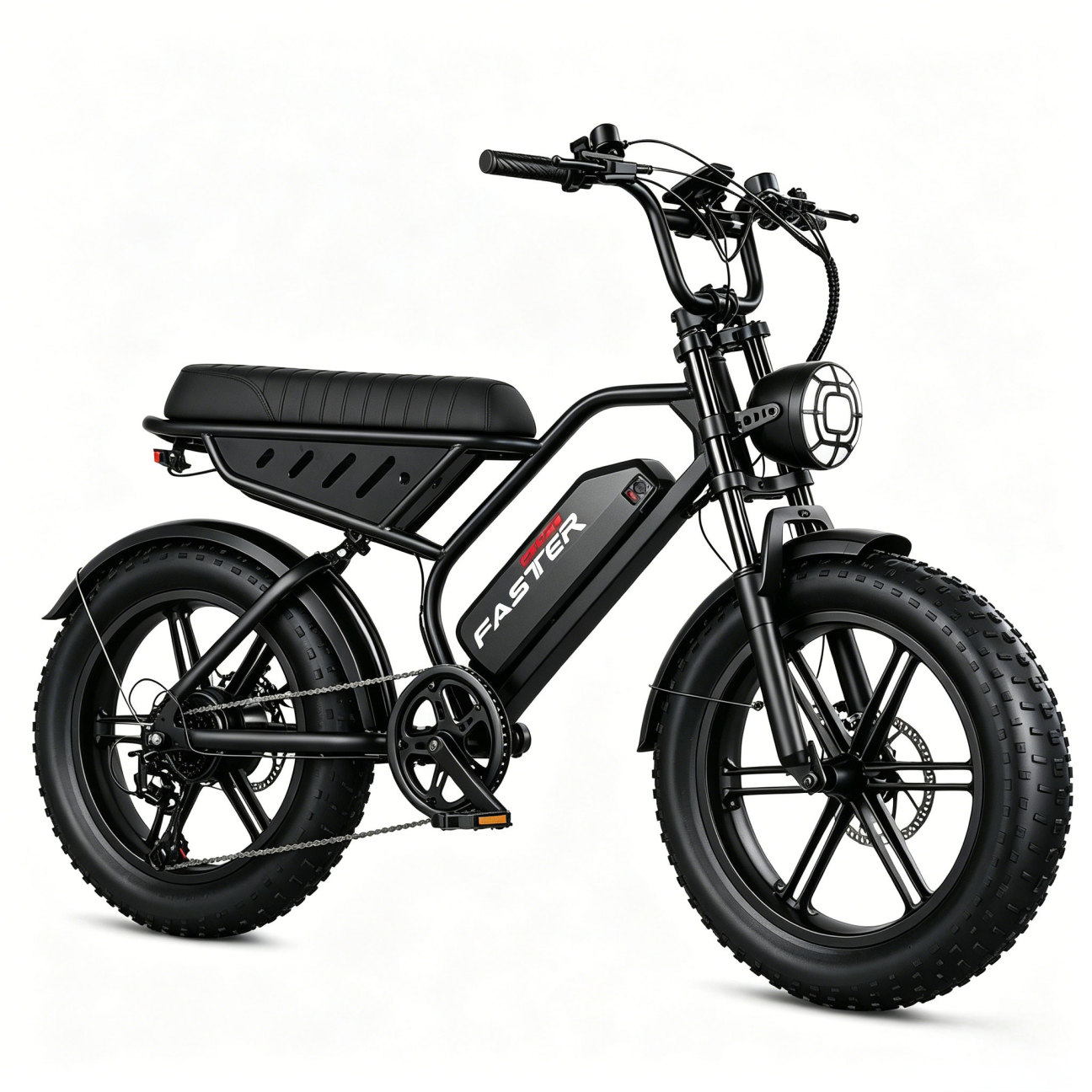
Botny S51 moped-style e-bike maintenance
Contents
1. Why E-Bike Maintenance Matters 2. What Maintenance Actually Covers 3. The Schedule at a Glance 4. The Two-Minute Pre-Ride Check 5. After-Ride Care 6. Battery Care You Cannot Skip 7. Chain, Brakes, Tires, Suspension 8. What Neglect Actually Costs 9. When to Stop Riding 10. Frequently Asked Questions 11. Final Takeaway

E-bike maintenance is not a weekend project. It is a two-minute habit that decides whether your bike still feels tight after three winters or starts eating money in year two.

An e-bike carries more weight, more torque and more electronics than a pedal bike. Those three things change what wears out, how fast it wears, and what happens when a small problem is left alone. This guide covers what to check, how often to check it, which jobs most riders can handle at home, and where to stop and call support instead of guessing.

Quick take: Before every ride, check tire pressure, brake feel, battery security and critical fasteners. Wipe the bike and inspect pads and bolts weekly. Clean and lubricate the drivetrain monthly. Review battery charging and storage habits each season. Almost every expensive repair starts as something you could have seen in under two minutes.

1. Why E-Bike Maintenance Matters More Than You Think

On a pedal bike, a worn chain mostly means noisy shifting. On an e-bike, the same worn chain is being pulled by a motor that delivers torque your legs never would — so it stretches, skips and chews through sprockets far faster. The same logic applies to brake pads, tires and every fastener that holds the bike together.

The second difference is weight and speed. A moped-style e-bike like the Botny S51 runs 20×4 fat tires and full suspension, and it reaches 28 MPH. At that speed, a soft brake lever or a loose axle is not an inconvenience — it is a control problem. Maintenance on an e-bike is therefore less about cosmetics and more about the parts that decide whether you stop when you expect to.

The third difference is that electrical faults rarely announce themselves. Range drops gradually, a connector corrodes quietly, a battery mount loosens by a millimetre a week. By the time the symptom is obvious, the cause has usually been developing for a month.

2. What Maintenance Actually Covers

E-bike maintenance is the routine care that keeps the battery, motor, brakes, drivetrain, tires, frame and electronics working safely and efficiently. In practice it is three layers, and most riders only ever think about the third:

  • Pre-ride checks — the two-minute walk-around that catches problems before they become roadside problems.
  • Periodic service — weekly cleaning, monthly drivetrain care, seasonal inspection of wear parts.
  • Battery and electronics habits — charging, storage temperature, clean and dry contacts. This is the layer riders skip most often and regret most.

Compared with a regular bicycle, the tire / brake / chain work is familiar. What is new is everything downstream of the battery: the pack itself, the motor, the controller, the display, the wiring harness and the connectors. You do not need to service those parts yourself — but you do need to notice when they change.

Your owner's manual is the authority on tire pressure ranges, torque values and service intervals for your specific model. This article is a habit guide, not a substitute for it. If the manual and this page disagree, the manual wins.

3. The Maintenance Schedule at a Glance

Intervals depend on terrain, weather, load and how hard you ride. A commuter on smooth pavement and a rider doing gravel and hills will not wear the same bike at the same rate. Treat the table below as a floor, not a ceiling — wet, dusty or heavily loaded riding justifies moving everything up.

Interval What to do Why it matters
Every ride Tire pressure, brake feel, battery locked in place, axle and quick-release security, throttle returns freely These are the four systems that decide whether the bike stops and steers as expected
Weekly Wipe frame and battery area, inspect pad thickness, check visible bolts, clean battery contacts Stops grime and moisture from sitting against metal and hiding damage
Monthly Clean and lubricate the chain, check cable condition, inspect tire tread and sidewalls, confirm brake alignment Drivetrain wear is the most common avoidable repair on a high-torque e-bike
Seasonally Battery storage review, suspension seal inspection, fastener torque check, replace worn pads or tires Catches slow changes before they turn into component replacement

4. The Two-Minute Pre-Ride Check

Make it the same order every time and it becomes automatic. Work from the ground up.

1Inspect the tires and wheels

Check both tires for cuts, embedded glass or stones, sidewall cracks and soft pressure. Fat tires can look fine while being well below their proper pressure, so use a gauge rather than a thumb. Spin each wheel and watch for side-to-side wobble, a bent rim or rubbing that was not there yesterday, then confirm the axles are tight.

2Test the front and rear brakes separately

Squeeze each lever on its own while standing beside the bike. The lever should feel firm and consistent, engage early, and never pull back to the grip. Look for worn pads, oil or dirt on the rotor, kinked housings and fluid at the caliper. A little noise after a wet ride is normal; a spongy lever, heavy vibration or grinding is not.

3Check the throttle, display and controls

Power the bike on in a clear area. Confirm the display wakes normally, ride modes change, the throttle returns freely when released, and the brake cut-off stops motor assist when you pull a lever. If the throttle sticks or the motor engages when it should not, do not ride — switch off and diagnose.

4Confirm the battery is fully seated

Push the pack into its mount and check that it locks. Inspect the contacts and the housing for cracks, moisture, corrosion or a loose connector. Do not ride with, or charge, a battery that is swollen, leaking, unusually hot or smells wrong. Check that you have enough charge for the route plus a reserve for hills, wind and cold weather.

5Look over the chain and drivetrain

With the bike powered off, rotate the rear wheel by hand and look for rust, tight links, excessive slack or a chain rubbing the frame. The drivetrain should move smoothly without skipping. Never use the motor to turn the wheel while your hands are near the chain.

6Check the suspension, frame and fasteners

Compress the fork and rear shock gently and listen for new knocking. Look for fluid at the seals, cracks near welds and mounting points, and any bolt that has started to back out — handlebar stem, brake levers, seat post, footpegs on moped-style frames. Use the torque values in the manual; overtightening damages threads just as surely as undertightening lets parts move.

7Lights, reflectors and your route

Confirm front and rear lights work, then think about where you are going. Range estimates assume a mild day and a rider who is not climbing constantly; cold air, headwinds and steep grades all take a bite. A quick route check is cheaper than pushing a 30 kg bike home.

5. After-Ride Care

Post-ride maintenance is easiest while you still remember where you hit mud, water, a pothole or an odd noise.

Let everything cool down

After a hard ride, give the motor, controller, brakes and battery time to return toward room temperature before cleaning or charging. Charging a hot pack adds stress for no benefit. If a component stays abnormally hot or smells electrical, stop using the bike and contact support.

Clean without flooding the electronics

Switch off, and follow the manual before removing the battery or cleaning around electrical parts. A soft brush, a damp cloth and a bike-safe cleaner will remove almost everything. Never aim a pressure washer at bearings, suspension seals, the motor, the display, the battery housing, the controller or any connector — high-pressure water pushes grit and moisture past seals that are designed for rain, not jets.

Keep degreasers and lubricants away from rotors and pads. Contaminated pads will howl and lose bite, and the only fix is replacement.

Dry it, then look again

Dirt hides damage. Once the bike is dry, re-check the tires, rims, rotors, chain, motor area and battery housing. A new scratch is cosmetic; a crack, a bent component, a cut sidewall or a leaking shock is not.

Write down what changed

A one-line note in your phone is enough. Declining range, a new vibration, brake noise, a charging interruption, a warning code at the same point on your commute — trends are far easier to diagnose than a vague memory that the bike "felt different last week".

6. Battery Care You Cannot Skip

The battery is the most expensive single component on the bike, and it is the one part where casual habits do real damage. Nothing here is complicated; it just has to be consistent.

  • Use the charger that came with the bike. Matching voltage and current matters more than charging speed.
  • Charge at room temperature. Do not charge a pack that is freezing cold or hot from a ride — let it settle first.
  • Do not store it flat or full for months. If the bike sits for the off-season, leave the pack around half charge and top it up occasionally.
  • Keep contacts clean and dry. A dirty contact feels exactly like a failing battery: cutting out, weak assist, odd display behaviour.
  • Never charge a damaged pack. Swelling, leaking, impact damage or an unusual smell means stop and contact support.

One more thing worth saying plainly: not every performance complaint is a dead battery. A loose mount, corroded contacts or a charger that never quite finished will all imitate one. Check the simple causes before assuming you need a replacement.

7. Chain, Brakes, Tires and Suspension

These four systems carry every load the motor creates, so they set the maintenance rhythm for the whole bike.

Chain and drivetrain

Clean off loose grit, let the chain dry, then apply lubricant sparingly and wipe off the excess — too much lube attracts dirt and turns into an abrasive paste. Check sprocket teeth for hooked or broken profiles and watch for skipping under load. Tension and alignment follow the manual, not a universal measurement.

Brakes

Replace pads before the backing plate starts scoring the rotor. Keep rotors free of oil, check that the wheel spins without drag, and have the system serviced if lever feel changes or stopping distance grows. On a 28 MPH bike, brakes are the component you should never stretch.

Tires

Set pressure to the approved range for your load and conditions, and check it cold with a gauge. Repeated pressure loss points to a puncture, a valve issue or a rim problem rather than bad luck. Replace tires with damaged casings or worn tread instead of trying to finish the season on them.

Suspension

Wipe dirt off the fork stanchions and shock shaft after dirty rides so grit does not work its way under the seals. Look for fluid rings, and notice changes in damping or travel. Do not open suspension internals without the right tools and procedure — that is a job for a technician.

“The cheapest e-bike repair is the one you prevent with a two-minute check before it becomes a roadside problem.”
Botny S51 moped-style electric bike
Available Now

Botny S51 Moped-Style E-Bike

1500W motor, 28 MPH top speed, 20×4 fat tires and full suspension — built for daily commutes and weekend trails, with a UL-tested battery and electrical system.

Shop the S51

8. What Neglect Actually Costs

Maintenance is cheap; the failure it prevents is not. The pattern is almost always the same, and it almost always starts with something small:

  • A dry chain becomes a stretched chain, which wears the cassette and chainring — one cheap part turns into three.
  • Pads worn past the friction material score the rotor, so a pad change becomes a pad-and-rotor job.
  • Low tire pressure on a heavy e-bike pinches the tube and dents rims on the first hard edge you hit.
  • Water and grit left around seals turn a wipe-down into a suspension service.
  • Bad charging and storage habits shorten pack life, and the pack is the most expensive thing on the bike.

That is why current maintenance advice leans on short, repeatable routines instead of occasional deep cleaning. A bike that gets two minutes before and five minutes after every ride outlasts one that gets a full strip-down twice a year — and it feels better the whole time.

9. When to Stop Riding and Call Support

Cleaning, checking and adjusting are owner-friendly. Structural, braking and high-voltage problems are not. Stop riding and contact Botny support or a qualified technician if you notice:

  • Brake failure, a spongy lever, or fluid at a caliper
  • Steering play, a bent fork, or suspension that has lost damping
  • Cracks in the frame, welds or mounting points
  • A battery that is swollen, leaking, unusually hot, or smells wrong
  • Intermittent power loss, a burning smell, or damaged wiring
  • A drivetrain that skips under load no matter how it is adjusted

Do not test-ride a bike you suspect is unsafe. Email support@botnybike.com with your model, order number and a photo — we reply within 24 hours on business days. Your warranty terms and the 14-day return window are set out on our Warranty and Returns pages.

10. Frequently Asked Questions

What is the best maintenance routine for a daily rider?

Keep it boring: check tire pressure, brakes and battery security before every ride, wipe the bike and inspect the pads weekly, and clean and lubricate the chain monthly. That routine prevents most of what actually goes wrong.

How often should the chain be cleaned and lubricated?

Monthly is a reasonable baseline for most riders. Ride in rain, dust or heavy traffic and you should shorten that interval — a chain that squeaks or looks dry is already overdue.

Which checks matter most before a ride?

Tire pressure, brake feel, battery security and a quick look for loose hardware. Everything else can wait a day; those four cannot.

How should I take care of the battery?

Charge with the supplied charger at room temperature, keep the contacts clean and dry, and store the pack around half charge if the bike will sit for weeks. Never charge a damaged or swollen battery.

Does e-bike maintenance differ from regular bike maintenance?

The tire, brake and drivetrain work is familiar. What is added is the battery, motor, controller, display and wiring — and the fact that motor torque wears all the mechanical parts faster.

Can I wash an e-bike with a hose?

A gentle hose or a damp cloth is fine; a pressure washer is not. Keep water away from the battery housing, motor, display, controller, connectors, bearings and suspension seals, and never clean a bike while it is powered on or charging.

Where can I find model-specific service information?

Start with the owner's manual that came with your bike, then our Warranty page and FAQ. If something is unclear, email support rather than guessing at torque values or procedures.

11. Final Takeaway

Good e-bike maintenance is not complicated — it is consistent. Two minutes before a ride and five minutes after it will catch pressure loss, brake changes, loose hardware, drivetrain wear and battery problems long before they cost you a repair or a ride.

Build the checks into the routine you already have: helmet, gloves, tires, brakes, battery, chain. Keep the bike clean and dry, follow the manual for anything involving torque or the electrical system, and ask support when you are unsure. That is the whole method — and it is the reason a well-kept e-bike still feels new in its third year.

Keep reading

  • E-Bike Specs Explained: What Watts, Volts and Amp-Hours Actually Mean
  • Electric Dirt Bike Maintenance Checklist: Before and After Every Ride
  • Shop all Botny e-bikes · Batteries and accessories · Shipping

Further reading: REI — Intro to Electric Bike Maintenance and eBike Maintenance 101. Manufacturer guidance for your specific model always takes precedence.

Share:
← Dirt Bike Maintenance Checklist All Blog Posts →

Home

Category

Search

Cart

User

Home

Category

Search

Cart

User

Cart

loading

Botny
  • Home
  • Black Friday Sale
  • Shop by Model Shop All
    S51-BLACK
    S51-BLACK
    1500W Motor · 28MPH
    S51-GREY
    S51-GREY
    1500W Motor · 28MPH
    S51-ROSE
    S51-ROSE
    1500W Motor · 28MPH
    S12-BLACK
    S12-BLACK
    1000W Motor · 28MPH
    S12-GREY
    S12-GREY
    1000W Motor · 28MPH
    S12-BLACK
    S12-ROSE
    1000W Motor · 28MPH
    Free, Fast ShippingShip within 2 business days
    UL CertifiedIn accordance with UL 2849
    14-Day Free TrialBuy with confidence
    2-Year WarrantyPeace of mind for every ride
  • Electric Dirt Bike
  • Accessories
  • About
  • Contact Us FAQ Shipping Policy Warranty Returns
0
Botny
  • Home
  • Black Friday Sale
  • Ebikes
  • Electric Dirt Bike
  • Accessories
  • About
    • Contact Us
    • FAQ
    • Warranty
